
Why Is My Damaged Car Worth Less Than I Expected?
A car can mean years of commutes, school pickups, and money spent keeping it on the road. Hearing a low offer for it can sting. That offer is not a judgment on how well you cared for your car. It reflects what a buyer may need to spend, and what could still go wrong, before the vehicle can be used or sold again.
When Does a Damaged Car Become a “Junk Car”?
“Junk car” is a common description, not a verdict on the owner or a claim that the car has no value. A vehicle may still start but need repairs that cost more than a buyer can reasonably recover. Another may have usable parts even though it is no longer practical to drive. Its value depends on its condition, age, demand, paperwork, and how difficult it is to move.
A buyer also has to account for towing, labor, parts, and problems that may not show up in photos. That helps explain why an offer can be far below the price of the same model in good running condition. Recent tires or a new battery may matter, but they cannot erase major engine or body damage.
Why Different Problems Affect the Offer
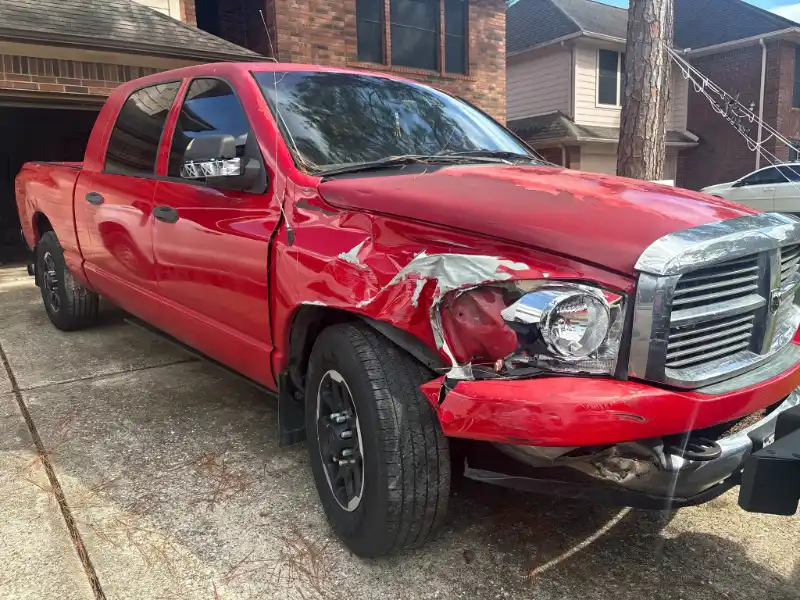
Collision damage: A dent may be only part of the repair bill. Damage behind a panel or to a safety system may take an inspection to uncover. Even when an insurer declares a car a total loss, the car can still have value. Its title status may affect how easily it can be sold later. The Texas Department of Insurance explains what a total loss means.
Flood damage: A vehicle may start after the water recedes and still develop problems later. Moisture can affect wiring, electronics, and interior materials in places a quick look cannot reach. That uncertainty affects an offer. If you have an insurance claim underway, discuss the claim and ownership with your insurer before selling. The Texas Department of Insurance has guidance on flooded vehicles.
Overheating: One high temperature reading does not automatically mean the engine is ruined. The cause might be a repairable cooling system problem. Repeated overheating, or continuing to drive while the engine is too hot, can lead to far more expensive damage. If a mechanic has identified the cause, share it. If you do not know, simply say, “It overheats.” An honest description is more useful than a guess.
Is Selling As-Is the Right Move?
Compare the repair estimate with what the car might sell for after the work is done. Also allow for the possibility that a repair reveals another problem. A modest fix may be worthwhile. But if the work costs more than the likely increase in sale price, selling as-is may make better sense for you.
Selling as-is can also spare you from arranging repairs and private showings for a vehicle you no longer want to keep. Before accepting an offer, ask what the buyer will pay, whether towing is included, and when payment happens. You deserve clear answers without being made to feel bad about the car’s condition.
Start With What You Know
Zeus Cash For Junk Cars buys junk cars and other unwanted vehicles in the Houston area. To request an offer, send five current photos showing the front, back, both sides, and interior. Include the year, make, model, pickup ZIP code, title status, and a short description of the damage. Mention flat tires, missing keys, or anything that could make pickup difficult.
You do not need to repair the vehicle to ask. If Zeus Cash For Junk Cars buys it, towing is included, and cash payment is made when the sale is completed at pickup. Call or text 832-516-3533 to tell us about your car.